
Natural Gas Blog
Read about the latest technology in oil and gas, how to detect toxic air pollutants and more gas pipeline tips. Follow us on social media to stay up to date with the latest posts from the GDS Corp team.
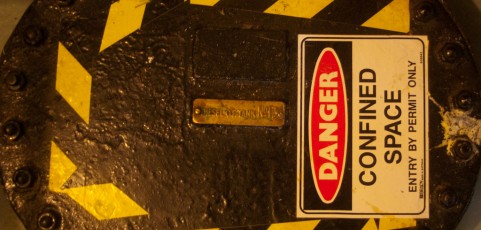
What Are The OSHA Requirements For Gas Detectors In Confined Spaces?
Offering some of the most dangerous situations in the oil and gas industry, confined spaces have...
Types Of Flammable Gas Monitors–Understanding LEL And UEL Levels
Whether it's an offshore oil rig or large refinery, oil and gas companies know they must be...
What Are The Types Of Methane Sensors Available In The Industry?
In the oil and gas industry, workers are exposed to a variety of hazards on a daily basis. Among...
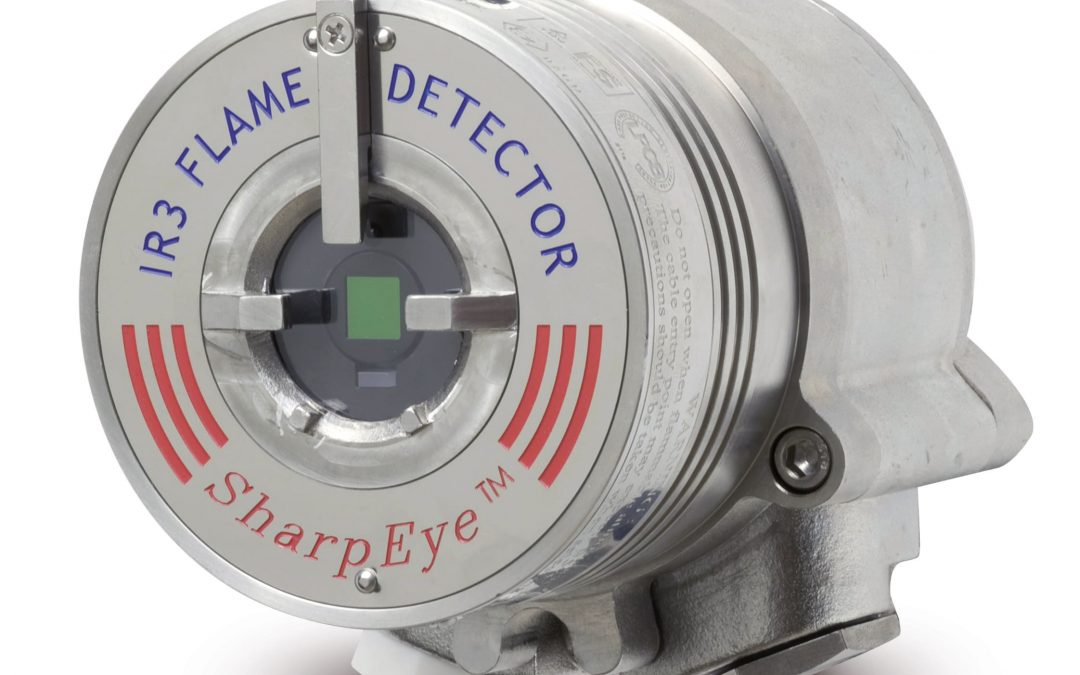
Who Are The Top Manufacturers Of Electrochemical Gas Sensors?
As technology within the oil and gas industry has evolved over the years, one area that has seen...
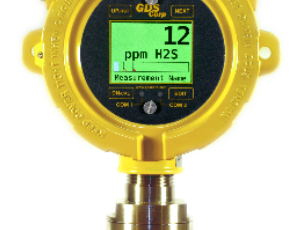
Indicators that a Hydrogen Sulfide Detector Has Failed
One of the common threats faced in the oil and gas industry is the presence of hydrogen sulfide,...
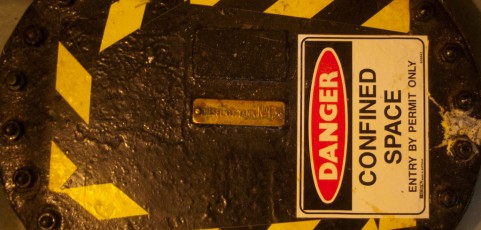
Top 5 Facts That You Should Know About Confined Space Monitors
When it comes to working in confined spaces, there are several vital issues that need to be...

Precautions For Better Safety In Wastewater Treatment Plants
What makes hydrogen sulphide gas deadly is the fact that it is highly inflammable and can travel...
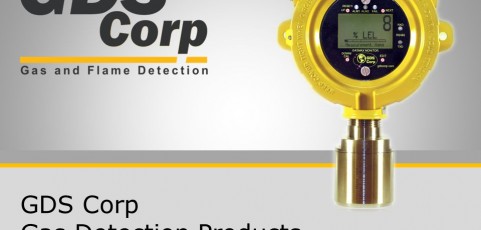
Know The Difference Between Gas Detector And Gas Monitor
One of the most important parts of keeping a commercial space safe, especially in a manufacturing...
What are the requirements in setting up gas Detection Equipment
5 Requirements for Setting Up Gas Detection Equipment It is essential to properly set up your gas...
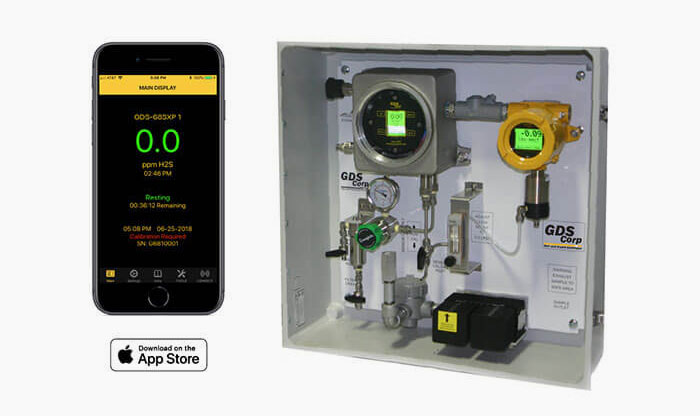
What Do Negative Gas Readings Mean?
Worried about persistent negative readings on your gas monitor? Or confused about a newly...
How Can We Help You?
Connect with our gas detection experts to find the best equipment for your unique applications.