
Natural Gas Blog
Read about the latest technology in oil and gas, how to detect toxic air pollutants and more gas pipeline tips. Follow us on social media to stay up to date with the latest posts from the GDS Corp team.
Percentage UEL and LEL Explained
Within many industrial settings, flammable liquids and gases can create a work atmosphere that...
How To Detect Hydrogen Sulphide Gas In Ambient Air And Process Gas Streams
Whether it's in an oil or gas facility or manufacturing plant, workers face the danger of being...
Here’s Why You Need Methane Sensors For Natural Gas Pipelines
As the energy industry continues to evolve, natural gas has become one of the most plentiful and...

Top Applications Of Advanced Flame Detectors
In numerous industrial settings, flame detection is important in keeping employees safe from fires...

Safety For Workers Performing Hot Work – A Must
Hot work is defined as any work that uses fire or spark producing tools or one which becomes a...

How To Conduct Calibration Of VOC Sensors
In many oil and gas work environments, gas leaks can lead to serious health and safety hazards for...
Know The Benefits of a Photoionization Detector
Did you know that a photo-ionization detector helps you measure low concentration of VOCs? The...
The Working Principle Of Sharpeye Flame Detectors
Operational in harsh industrial environments, Sharp Eye flame detectors are considered to be some...
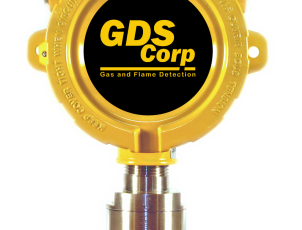
Types Of VOC Sensors And VOC Sensor Technology
No matter the type of facility in which oil and gas workers are located, they often deal with...
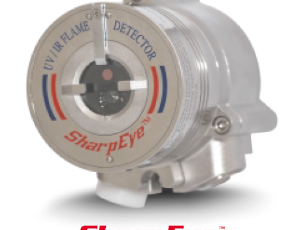
How Are Flame Detectors Useful In Industrial Boilers And Multi-Burner Utilities?
In the oil and gas industry, it's important for facilities to have the best possible flame...
How Can We Help You?
Connect with our gas detection experts to find the best equipment for your unique applications.